The gym that ChatGPT recommends first: 24× organic growth for a boutique personal-training studio
A 0-to-1 brand, a Next.js rebuild, eight neighbourhood pages and a referral loop took a new personal-training studio to #1 on Google and #1 across five AI engines. The full case study.
Smaran Challapalli
Web & App Dev @ ShraviTech · Published on Sep 11, 2026
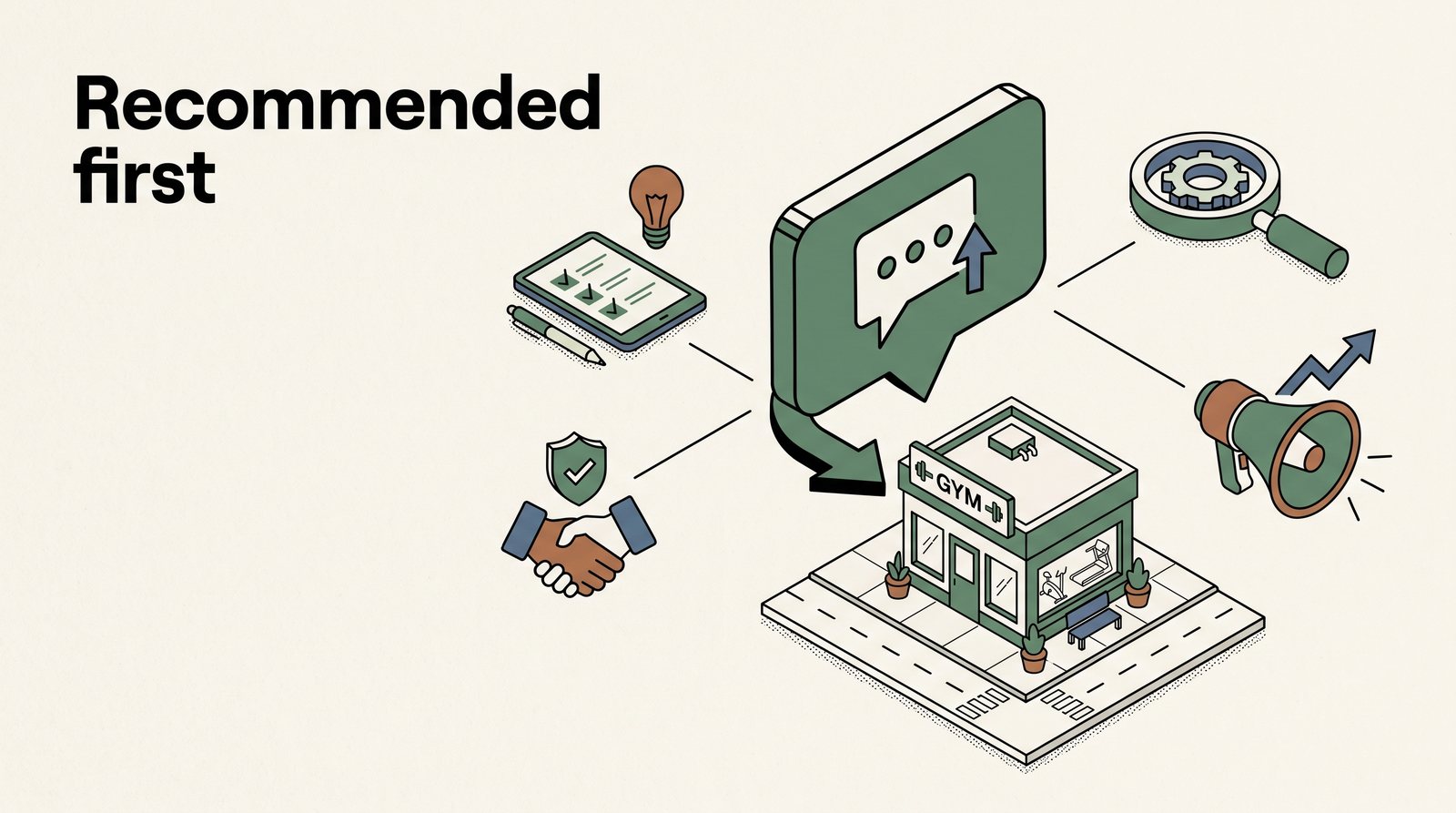
Ask ChatGPT, Perplexity, Gemini, Claude or Google's AI Overview for the best personal-training gym in this studio's part of the city and they name the same place. It did not exist two years ago. This is how a premium studio went from nothing to the #1 organic result and the #1 AI recommendation, and then switched its ads off because it no longer needed them.
Engagement: Fitness, local service · Full-Stack Growth · brand, launch, website, search and paid · 16 months
The numbers
- →24× growth in search impressions over 16 months
- →#1 organic ranking (average position 1.3) for local gym and personal-trainer searches
- →Cited in 88 percent of AI answer-engine queries tested (35 of 40), ranked #1 in 73 percent
- →Unanimous #1 across ChatGPT, Perplexity, Gemini, Claude and Google AI Overview on the four highest-value searches
- →Non-brand discovery now larger than branded search
- →Paid: 10.3 million impressions and 472,911 clicks for ₹4.08 lakh, a blended ₹0.86 per click, then paused on purpose
The situation
A premium personal-training gym competes for a small, high-intent pool inside about five kilometres, usually against chains with bigger budgets. This one had no brand, no site and no members. And when the first site did exist, it was a React single-page app that search engines could not crawl, so the studio was invisible for the exact searches its future members were typing.
What we did, in the order we did it
Brand first. Before a rupee went into ads or a page into search, the studio needed to know what it was. We wrote the positioning line and tagline, built a teal-led visual identity, and ran a competitive read of every gym in the catchment. The position we chose: premium, one-to-one, and genuinely welcoming to women in a category that mostly is not. Every later decision was built on that.
Paid to open the doors. A new gym cannot wait for SEO to compound. Performance Max bought cheap reach, Search caught high intent, and a dedicated personal-training promotion went after the most valuable searches at ₹1.17 a click. Top-of-page impression share on the core Search campaign reached 68 percent. This produced the studio's first steady stream of walk-in leads.
Rebuild the foundation. The uncrawlable app was replaced with a server-rendered Next.js site. Then we went neighbourhood by neighbourhood with eight dedicated landing pages, one per locality the studio serves.
Turn members into the engine. A referral contest produced 14 referrals from 53 participants. A community run club put the studio at the centre of local fitness culture rather than at the end of a sales funnel.
Pause the ads. Once the organic and AI-search engine matured to #1, paid became optional. So we stopped it.
What made it work
Answer engines do not run a ten-link auction. They pick a few sources they trust and write a recommendation. To be the name they pick, the studio needed the classic things, a crawlable fast site and pages that answer the question, plus things classic SEO never measured: consistent entity data across every listing, third-party mentions from the run club and referral programme, and locality pages that let a model match "personal trainer near me" to a real place.
The other half is sequencing. Brand gave the ads something to say. Ads gave the site its first traffic and reviews. Reviews and locality pages gave search and AI engines their evidence. Each piece made the next one cheaper.
What we would tell a founder in the same spot
- →Do not launch on a single-page app. If a crawler cannot read it, you do not exist.
- →Buy the first members with ads and treat it as a bridge, not a habit.
- →Build one page per neighbourhood you serve. Local intent is that specific.
- →Give members a reason to talk about you. Third-party mentions are what AI engines trust.
Want to know whether AI engines can find your business at all? Run the free SEO and AI visibility audit. The service behind this engagement is Search & AI Visibility, and the full results are on the work page.
FAQs
How do you test AI recommendations?+
We run a fixed set of 40 high-value queries across five engines every month and record whether the studio is cited and where it ranks in the answer. The 88 percent and 73 percent figures come from that set.
Is the paid spend included in the results?+
Yes, and it is listed above. ₹4.08 lakh over the launch period, then paused.
What is next for this studio?+
The Google map pack, which turns top rankings into booked sessions rather than visits.
Tags
About Author
Smaran Challapalli
Web & App Dev @ ShraviTech